

Armenian Business News
Brief information about Armenia
Armenia today
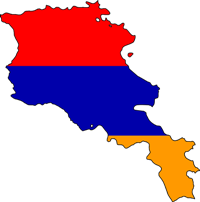
The Republic of Armenia is located in the western Asia, in the south of Transcaucasia and occupies the space of 29,743 km ² with the population more than 3 million 260 thousand people. The republic borders on Iran, Turkey, Georgia and Azerbaijan. Armenia has automobile communication with Iran, and the basic transport exit in northern and western direction is the route Yerevan – Tbilisi – port Poti.
The capital of Armenia is Yerevan, which occupies an area of 300 km ² with a population of more than 1 million 120 thousand people. The Republic is divided into 10 administrative districts, provinces: Yerevan region, Armavir, Kotayk, Shirak, Lori, Ararat, Aragatsotn, Syunik, Tavush, Gegharkunik. The official currency of Armenia – AM Drams.
Information on natural resources of Armenia
Armenia is a mountainous country and it has variety of mineral recourses. On its territory here are over 500 different fields, producing more than 60 kinds of mineral resources. There are large deposits of iron ores (Kaputan, Hrazdan, ,Akhtala and other deposits) and deposits of aluminum ores and manganese (nepheline syenite).
Armenia has also rich deposits of platinum, gold (Zod, Meghradzor, etc.) and other precious and non-ferrous metals, barite with gold, silver, zinc and lead impurities, deposits of mercury, arsenic, antimony and etc.
The deposits of molybdenum ores: copper and molybdenum (in the area Kajaran, Agarak, etc.) and copper-pyrite ores (near Kapan, Alaverdi Shamlugh, etc.) are of particular value for Armenia. Molybdenum deposits in Armenia make more than 7% of world’s molybdenum reserves.
Armenia possesses a sufficiently large r supplies of marble, tufa, dolomite, travertine, obsidian, pumice, andesite-basalt, perlite, calcareous breeds and other materials which occupy nearby third of the territory of Armenia. They are widely used in construction.
In the territory of Armenia there are a large number of sources (more than 700 active wells) of mineral waters (Jermuk Bjni, Arzni, etc.), many of which have different medicinal properties.
Information on industry and agriculture of Armenia
Today Armenia is considered to be an agro-industrial country, although most of the country's GDP is coming from the service sphere (40%). Today the country managed to restore the work of some important industries by the help of investments. 30% of GDP of Armenia comes from industry. Today, in Armenia there are enterprises of building materials, cement production, refining of copper, molybdenum, aluminum, gold, industrial complex for producing jewelry, faceting brilliants, chemical enterprises, manufactures of plastic and rubber products, synthetic rubber, wine and cognac factories. Machine tools, electric motors, and various tools are also producing in Armenia. The production of knitted goods, silk and cotton fabrics, etc is increasing and information technologies and software market is successfully developing.
On agriculture of Armenia comes about 17 % of GDP. The basic part of agricultural grounds are located on the Ararat valley, in flat territories round the lake Sevan and the river Araks. The basis of agriculture in Armenia is horticulture, viticulture, plant growing.
Information on the production of electricity in Armenia
Today Armenia possesses enough resources for producing electricity and to export it to neighboring countries. There are three thermal power stations, 9 hydroelectric power stations and an atomic power station in the territory of republic.
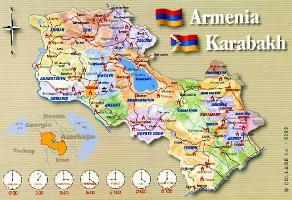
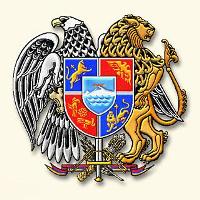
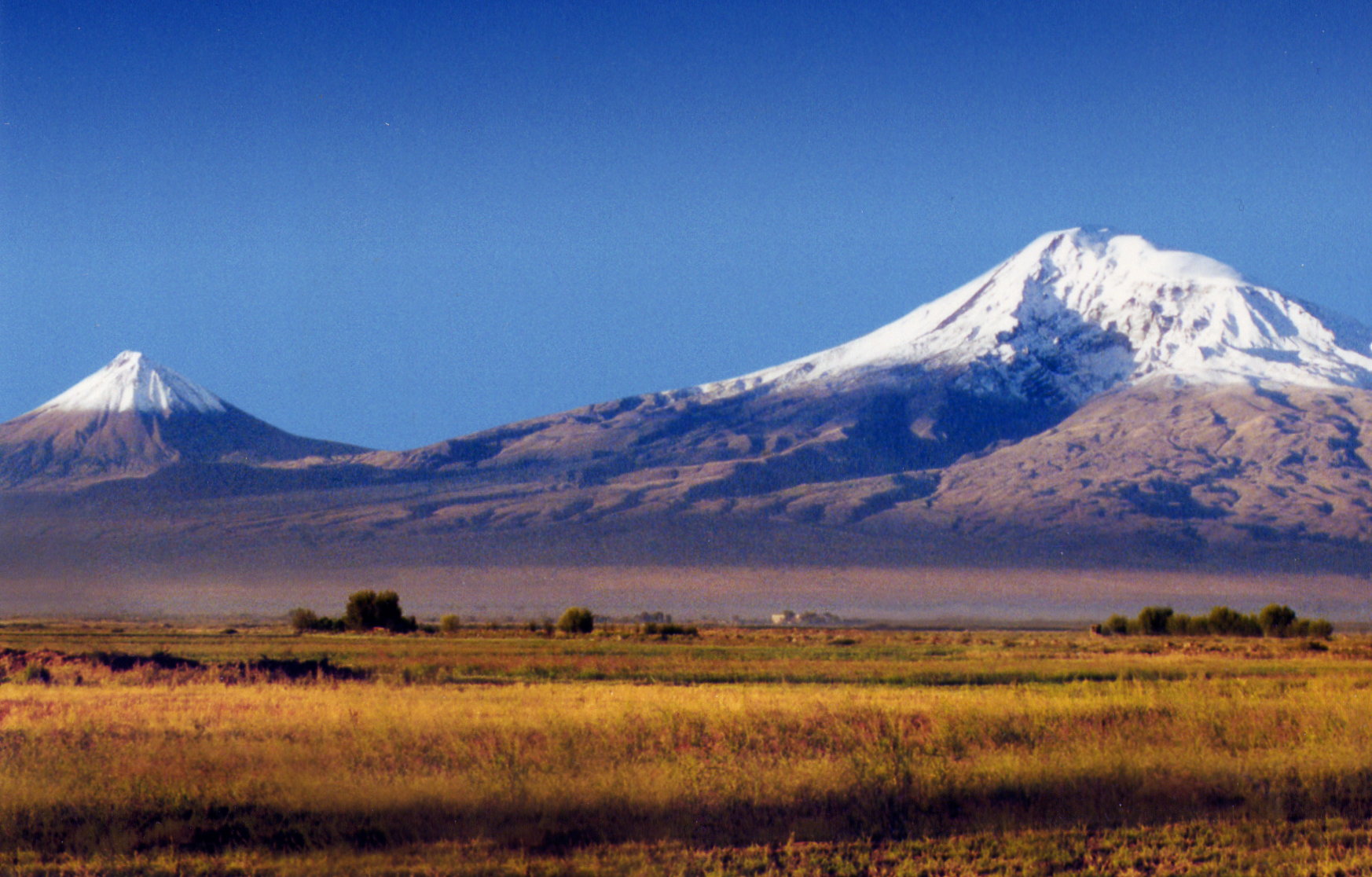
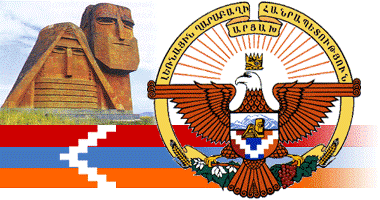
The Republic of Armenia is located in the western Asia, in the south of Transcaucasia and occupies the space of 29,743 km ² with the population more than 3 million 260 thousand people. The republic borders on Iran, Turkey, Georgia and Azerbaijan. Armenia has automobile communication with Iran, and the basic transport exit in northern and western direction is the route Yerevan – Tbilisi – port Poti.
The capital of Armenia is Yerevan, which occupies an area of 300 km ² with a population of more than 1 million 120 thousand people. The Republic is divided into 10 administrative districts, provinces: Yerevan region, Armavir, Kotayk, Shirak, Lori, Ararat, Aragatsotn, Syunik, Tavush, Gegharkunik. The official currency of Armenia – AM Drams.
Information on natural resources of Armenia
Armenia is a mountainous country and it has variety of mineral recourses. On its territory here are over 500 different fields, producing more than 60 kinds of mineral resources. There are large deposits of iron ores (Kaputan, Hrazdan, ,Akhtala and other deposits) and deposits of aluminum ores and manganese (nepheline syenite).
Armenia has also rich deposits of platinum, gold (Zod, Meghradzor, etc.) and other precious and non-ferrous metals, barite with gold, silver, zinc and lead impurities, deposits of mercury, arsenic, antimony and etc.
The deposits of molybdenum ores: copper and molybdenum (in the area Kajaran, Agarak, etc.) and copper-pyrite ores (near Kapan, Alaverdi Shamlugh, etc.) are of particular value for Armenia. Molybdenum deposits in Armenia make more than 7% of world’s molybdenum reserves.
Armenia possesses a sufficiently large r supplies of marble, tufa, dolomite, travertine, obsidian, pumice, andesite-basalt, perlite, calcareous breeds and other materials which occupy nearby third of the territory of Armenia. They are widely used in construction.
In the territory of Armenia there are a large number of sources (more than 700 active wells) of mineral waters (Jermuk Bjni, Arzni, etc.), many of which have different medicinal properties.
Information on industry and agriculture of Armenia
Today Armenia is considered to be an agro-industrial country, although most of the country's GDP is coming from the service sphere (40%). Today the country managed to restore the work of some important industries by the help of investments. 30% of GDP of Armenia comes from industry. Today, in Armenia there are enterprises of building materials, cement production, refining of copper, molybdenum, aluminum, gold, industrial complex for producing jewelry, faceting brilliants, chemical enterprises, manufactures of plastic and rubber products, synthetic rubber, wine and cognac factories. Machine tools, electric motors, and various tools are also producing in Armenia. The production of knitted goods, silk and cotton fabrics, etc is increasing and information technologies and software market is successfully developing.
On agriculture of Armenia comes about 17 % of GDP. The basic part of agricultural grounds are located on the Ararat valley, in flat territories round the lake Sevan and the river Araks. The basis of agriculture in Armenia is horticulture, viticulture, plant growing.
Information on the production of electricity in Armenia
Today Armenia possesses enough resources for producing electricity and to export it to neighboring countries. There are three thermal power stations, 9 hydroelectric power stations and an atomic power station in the territory of republic.